
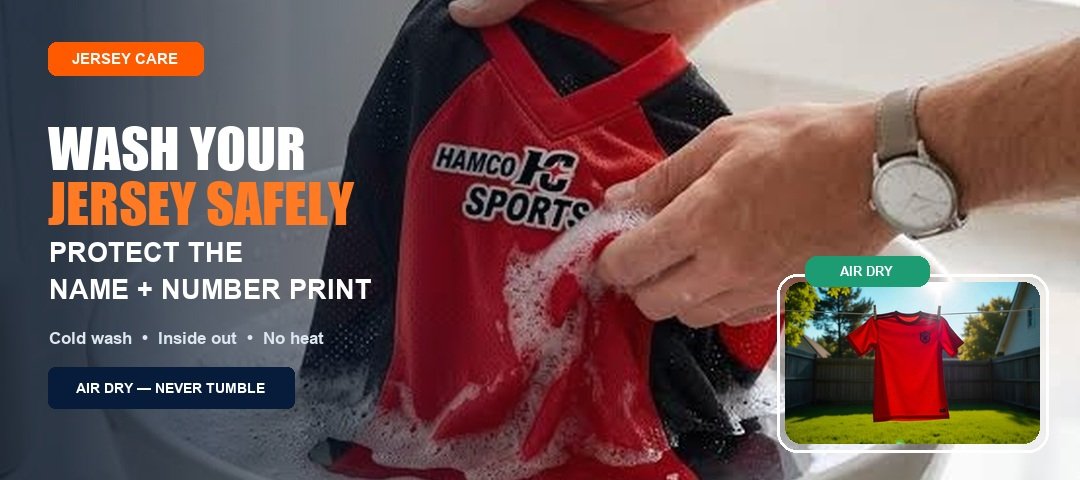
You can wash a printed jersey dozens of times and keep the name and number looking new. You just have to wash it the right way, because the print type and your laundry habits decide everything. Hot water and a tumble dryer wreck a print fast. Cold water and a little care keep it sharp for years. Here is exactly how you do it.
The Quick Answer: Wash It Right in 6 Steps
| Print method | How it’s applied | How to wash it | Durability |
|---|---|---|---|
| Sublimation | Dyed into the fabric | Cold, gentle, air dry | Highest, won’t crack or peel |
| Heat-pressed (vinyl) | Pressed onto the surface | Cold only, inside out, no iron on print | Good, but cracks if you use heat |
| Stitched / embroidered | Sewn into the shirt | Cold, gentle, watch loose threads | Very high, but heavier feel |
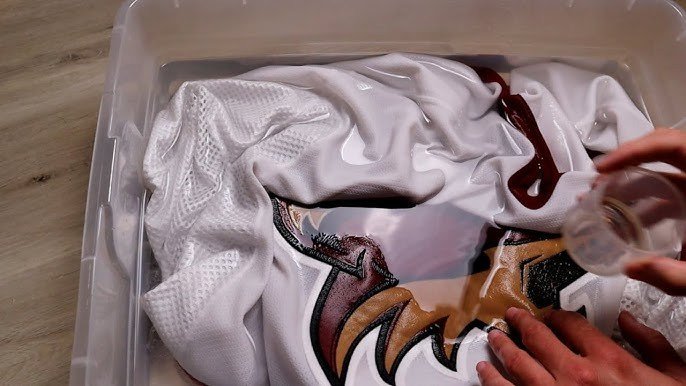
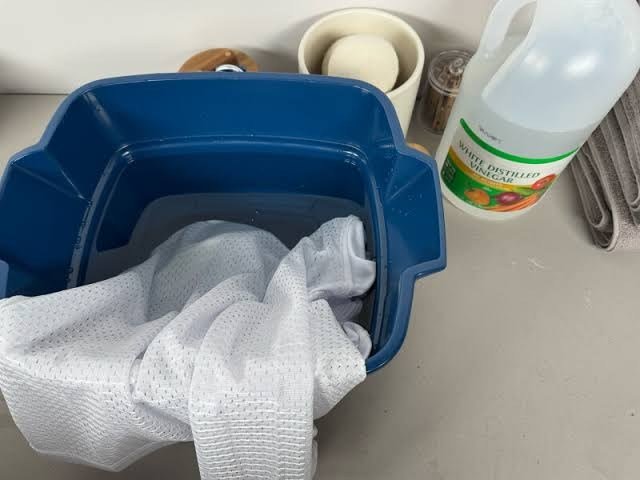
You protect the print when you follow six simple steps every time. Turn the jersey inside out. Wash it in cold water, around 30°C or 86°F. Set a gentle or delicate cycle. Use a mild liquid detergent. Skip the fabric softener completely. Air dry it flat or on a hanger, never in the dryer. Do these six things and your name and number survive wash after wash. The rest of this guide explains why each step matters, so you never guess again.
First, Know What Kind of Print You Have
You care for a print based on how the factory applied it. A heat-pressed vinyl print sits on top of the fabric, so it cracks if you hit it with heat. A sublimated print dyes the design straight into the fabric, so it never cracks or peels no matter how often you wash it. A stitched or embroidered name lasts a very long time, but it adds weight and can catch loose threads. You get the toughest result from proper sublimation or a well-bonded heat press, and that comes down to the factory you buy from. It helps to understand the difference between a replica and an authentic jersey, because the better-made version usually carries a print that holds up far longer.
Turn the Jersey Inside Out Before Every Wash
You save your print the moment you flip the shirt inside out. Most cracking comes from friction, not water, so you want the print facing away from the drum and the other clothes. When you wash it face out, the number rubs against zippers, buttons, and rough fabric for the whole cycle. When you wash it inside out, the soft interior takes that friction instead. You spend two seconds on this step and you add months to the life of the print.
Use Cold Water and a Gentle Cycle
You protect both the print and the colors when you keep the water cold. Set the machine to around 30°C, because hot water loosens heat-pressed vinyl and fades dyed colors over time. Choose the gentle or delicate cycle so the drum spins slower and pulls at the shirt less. A hot, heavy wash is the fastest way to age a jersey by a full season in one go. Cold and gentle costs you nothing and keeps the shirt looking fresh.
Pick the Right Detergent and Skip the Softener
You want a mild liquid detergent and nothing harsh. Bleach strips color and eats at the print, so keep it far away from any jersey. Fabric softener is the sneaky one, because it feels helpful but coats the fabric in a film. That film sits on the print, dulls the colors, and traps sweat odor inside polyester instead of washing it out. You get a cleaner, longer-lasting shirt when you drop the softener entirely and use a small amount of gentle detergent.
Hand Wash When the Print Really Matters
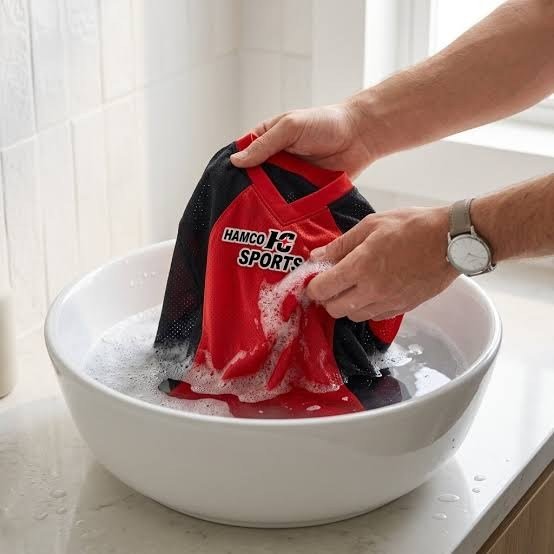
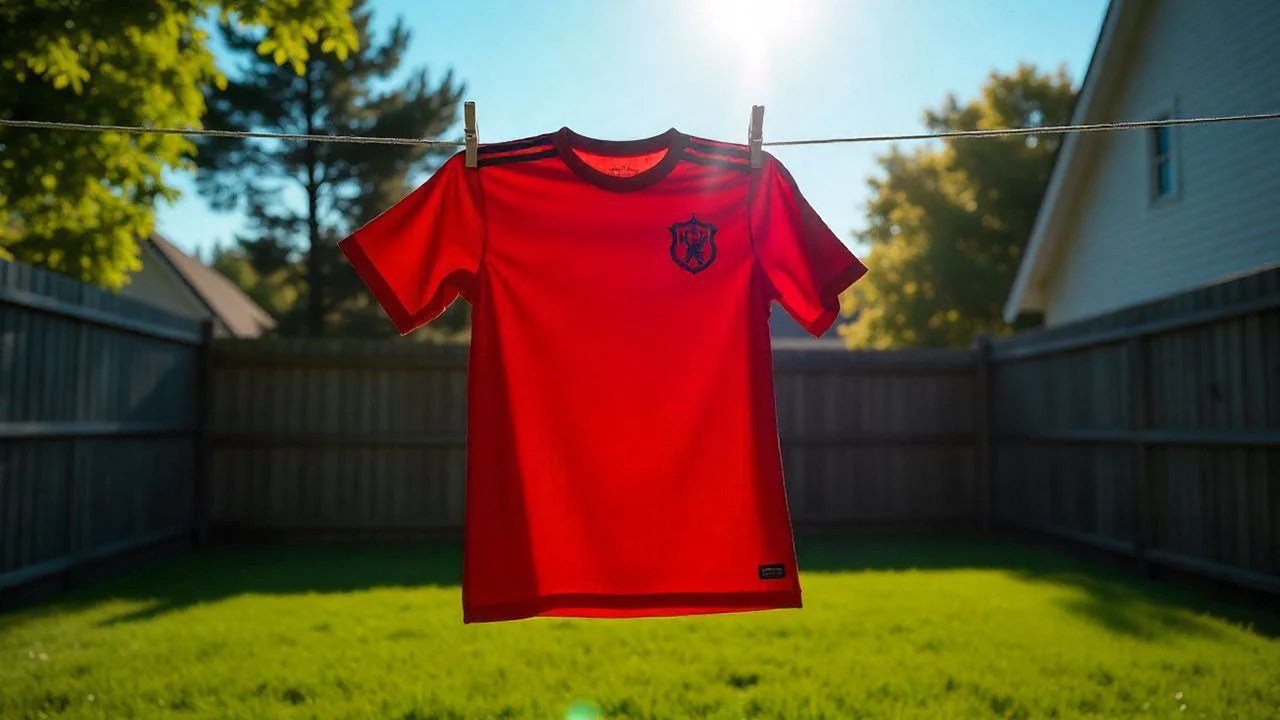
You should hand wash the shirts you can’t easily replace. For a limited-run kit or a high-value custom piece, fill a basin with cold water, add a little mild detergent, and let the jersey soak for a few minutes. Press the water through it gently with your hands. Never wring it, twist it, or scrub the number, because that stress is exactly what lifts a print at the edges. Hand washing takes ten minutes and gives your best shirts the softest treatment you can offer.
Dry It Flat or on a Hanger, Never in the Dryer
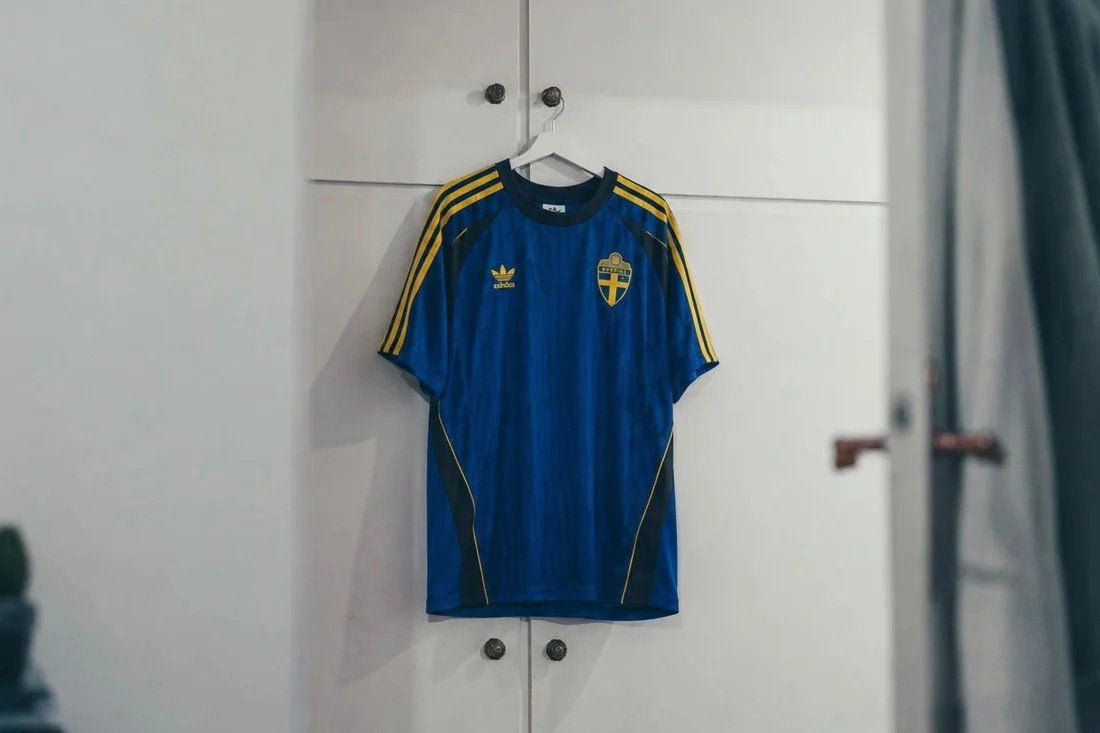
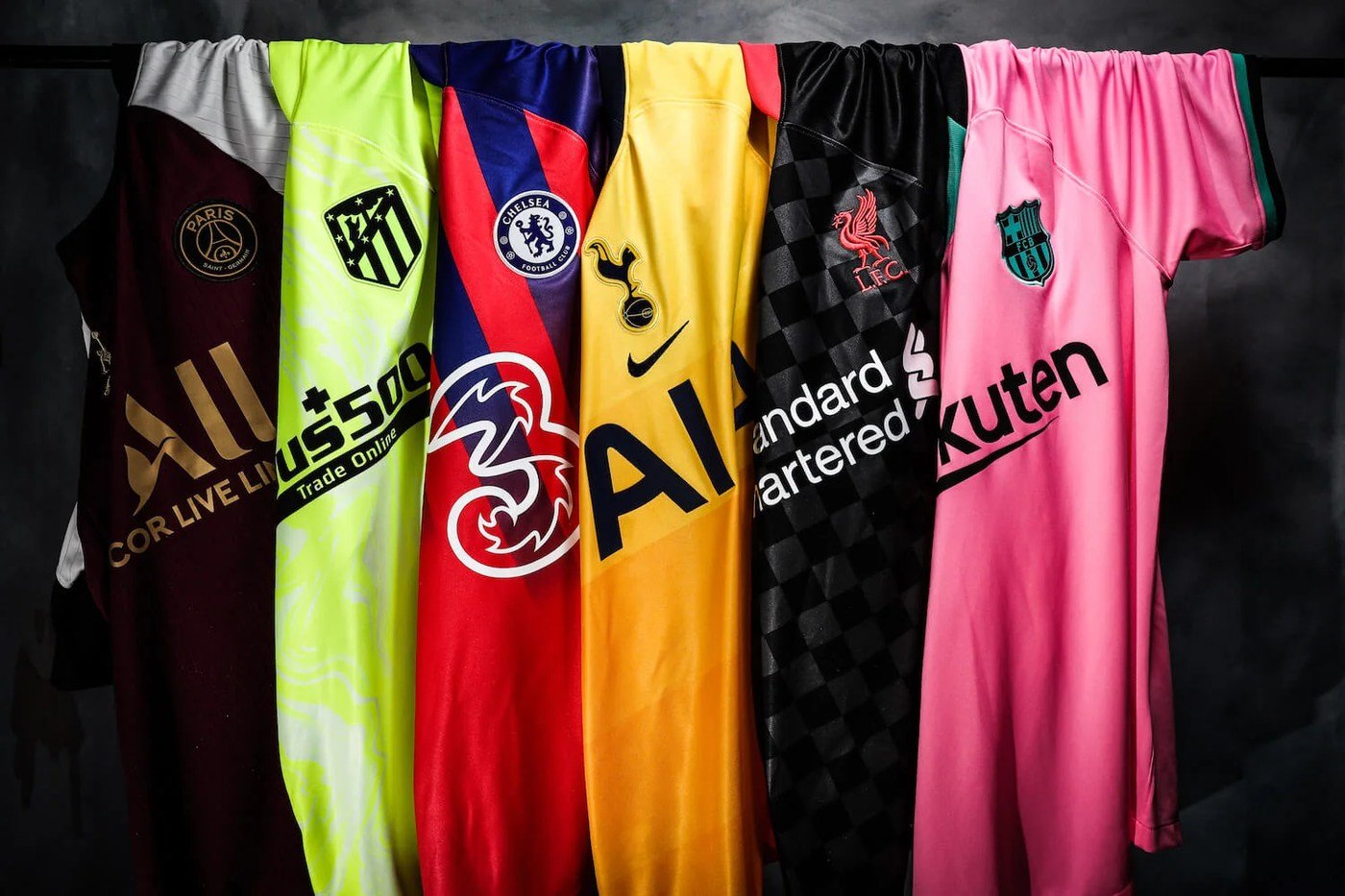
You undo all your careful washing the second you put a jersey in the dryer. Tumble-dryer heat is the number one cause of cracked and peeling prints, so leave it out of the process. Lay the shirt flat on a towel or hang it on a wide hanger, and let it air dry. Keep it out of direct sun too, because strong sunlight fades polyester color. Reshape the shirt while it’s still damp so it dries in the right form.
Never Iron Directly on the Name or Number
You risk melting a print the moment an iron touches it. If the jersey needs a press, turn it inside out and use a low heat setting. Keep the iron off the name, the number, and any badge. If you have to iron near the print, lay a thin cloth between the iron and the shirt so the heat never hits the vinyl directly. Most jerseys drop their wrinkles on a hanger anyway, so you rarely need the iron at all.
Store It So the Print Doesn’t Crease or Stick
You protect a print even after it’s clean and dry. Fold the jersey with the print facing outward so it never creases hard against itself, or hang it to keep it flat. Don’t stack heavy books or clothes on top of a folded print, because constant pressure can make vinyl stick or crack along the fold. A little care in the drawer keeps the number crisp between wears.
Why Fabric and Print Quality Decide How Long It Lasts
You can do everything right and still lose a cheap print. Low-grade fabric pills, thins out, and a poorly bonded print cracks within a few washes no matter how gentle you are. Good-weight breathable polyester, usually around 150 GSM, holds its shape and gives the print a stable base to sit on. All of this gets decided at the factory, long before the shirt reaches your machine. You should always check the jersey quality before you order, because a durable print means fewer complaints if you resell, and fewer returns that eat your margin.
What If the Jersey Already Shrank or the Print Lifted?
You still have options if the damage is done. If the shirt shrank in a hot wash, soak it in cool water, then gently stretch it back toward its shape while it’s damp. If a heat-pressed number lifted at a corner, lay a cloth over it and press with a low-heat iron for a few seconds to re-bond it. Some prints come back, and some don’t. If the shirt is beyond saving, buy a better-made replacement and get your size right before you buy so shrinkage matters less next time. You can also order fresh custom soccer jerseys in your own colors and printing, even in small quantities.
Common Washing Mistakes That Kill a Print
You avoid almost all print damage by skipping five habits. Hot water loosens the print, so wash cold. The tumble dryer bakes and cracks it, so air dry instead. Fabric softener coats and dulls it, so leave it out. Ironing straight on the number melts it, so iron inside out and around it. Washing the shirt face out rubs the print raw, so always turn it inside out first. Fix these five and your print stays sharp for years.
Want a Jersey With a Print That Lasts?
You can only protect a print so much in the laundry. A print that survives years of washing starts at the factory, with the right fabric and the right bonding. Fankit prints names and numbers built to hold up, with fast sampling and low minimums, so you get shirts your customers keep wearing and reordering. Send us your design and get a quote, and let’s make jerseys that look new long after the first wash.
Frequently Asked Questions
Does washing ruin a jersey’s name and number?
No, washing does not ruin a good print if you do it right. You wash cold, turn the shirt inside out, and air dry it, and the name and number stay sharp for years.
Can you machine wash a printed jersey?
Yes, you can machine wash it safely. Turn it inside out, use cold water on a gentle cycle, and skip the dryer, and the machine treats the print fine.
How do you stop a jersey print from cracking?
You stop cracking by keeping heat away from the print. Wash in cold water, never tumble dry, and never iron directly on the number.
Why did my jersey number peel after washing?
Your number probably peeled because of a cheap heat-press or a hot wash. A well-bonded print or a sublimated design holds up far better under regular washing.
How many washes does a good jersey print last?
A quality print on good fabric easily survives a full season of weekly washes and often years, as long as you wash it cold and air dry it.